How to cross stitch without feeling overwhelmed.
A calm, practical guide for choosing supplies, reading a pattern, starting your first stitches, and planning a project you will actually enjoy coming back to.
A calm, practical guide for choosing supplies, reading a pattern, starting your first stitches, and planning a project you will actually enjoy coming back to.
Skip the giant shopping list. A good first setup is simple: fabric, floss, needle, scissors, a hoop or frame, and a clear pattern. Choose supplies from your favourite craft shop, local store, or online retailer; the checklist below tells you what to look for.
14-count is easier to see. 16 or 18-count gives a smaller finished piece and more detail.
Use the floss list included with your pattern. Keep colours labelled before you begin.
Choose a blunt tapestry needle that slides through the fabric holes without splitting threads.
Small scissors and a hoop or frame help keep your work tidy and comfortable.
Tip: for a large full-coverage pattern, add bobbins, floss bags, highlighters or Pattern Keeper, and a project planner before you begin.
If you want a tiny first finish, the Mosaic Mini Card Series uses a consistent 45 x 63 stitch format. Stitch the designs on 18-count fabric and the stitched area finishes around 2.5 x 3.5 inches — about playing-card size. These small projects are a gentle way to learn, build confidence, or enjoy a quick finish between larger WIPs.
A pattern you love is easier to return to than one that only looks “easy.” For beginners, choose a manageable size or treat a larger design as a long-term cozy WIP.
Many stitchers start in the centre. Full-coverage stitchers may prefer a corner. Either way, mark your start clearly so you do not lose your place.
Bring the needle up through one hole and down diagonally, then complete the X in the opposite direction. Keeping all top stitches the same direction creates a cleaner look.
Stitch one colour block, one small area, or one page at a time. Save your progress, take breaks, and let the project grow slowly.
Choose by theme first, then check the practical details: stitch count, colour count, file type, and whether you want a quick project or a detailed statement piece. For a very small beginner start, choose a mini-card pattern designed for 18-count fabric.
Choose these when you want a dramatic project with rich colour and wall-art energy.
Browse fantasy patternsOwls, woodland designs, sea creatures, and cozy wildlife themes are great giftable projects.
Browse animal patternsUse a bundle when you want a whole theme and better value in one checkout.
See bundle deals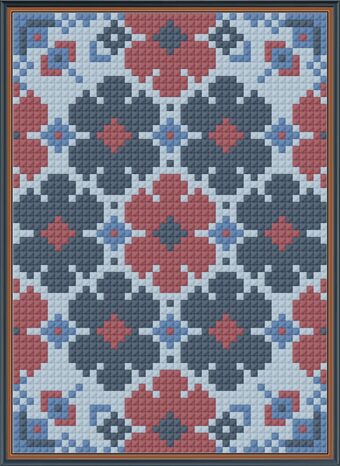
The sixth Mosaic Mini Card release: a beginner-friendly 45 x 63 stitch pattern with only 4 colors…
View pattern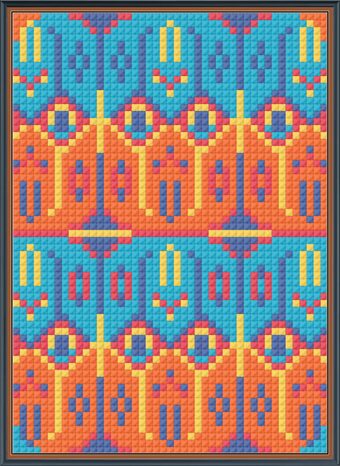
The fifth Mosaic Mini Card release: a beginner-friendly 45 x 63 stitch pattern with 5 colors, designed…
View pattern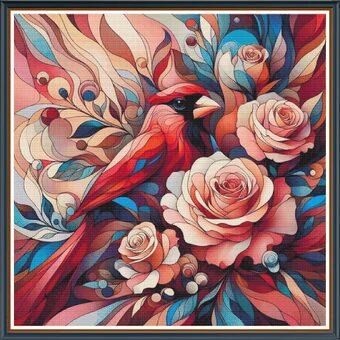
Brighten your crafts with "Red Feather Friend," a digital cross-stitch pattern featuring a stunning red…
View patternAfter checkout, your digital files appear on the thank-you page and are also sent by email. Many patterns include a standard printable PDF and a Pattern Keeper-friendly PDF where available.
Start with one pattern, save a themed bundle for later, or join the Gilded Ocean Series as each new tall-format ocean design is released.
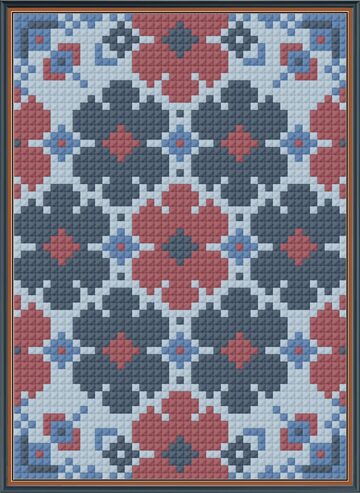
The sixth Mosaic Mini Card release: a beginner-friendly 45 x 63 stitch pattern with only 4 colors, designed for…
View details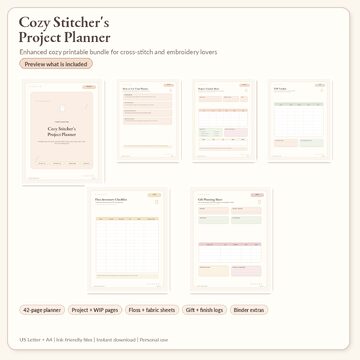
An enhanced cozy printable PDF planner bundle for cross-stitch and embroidery lovers. Includes project tracker sheets…
View details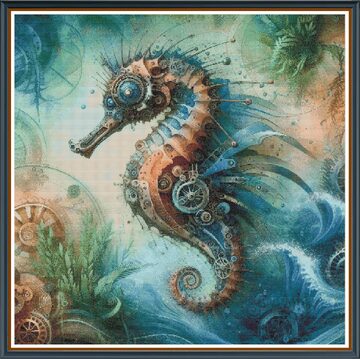
Six ocean-fantasy patterns in one discounted bundle: Stanley Seahorse, Gilded Octopus, Jellyfish Glow, Gilded Siren…
View detailsVisit the community gallery for real customer progress photos, then tag us when your own fabric, floss, or finished piece is ready to share.
Start with Aida fabric, embroidery floss, a tapestry needle, small scissors, a hoop or frame, and one clear pattern. Add storage tools once you know you enjoy the process.
Both work. Printable PDFs are simple and familiar. Pattern Keeper can be helpful for large designs because you can mark completed stitches and search symbols digitally.
Work in small sections, highlight completed areas, use Pattern Keeper if you like digital tracking, and write your stopping point on a project card before putting the work away.